1 - Understanding the Relationship Between Lawyers and Marijuana
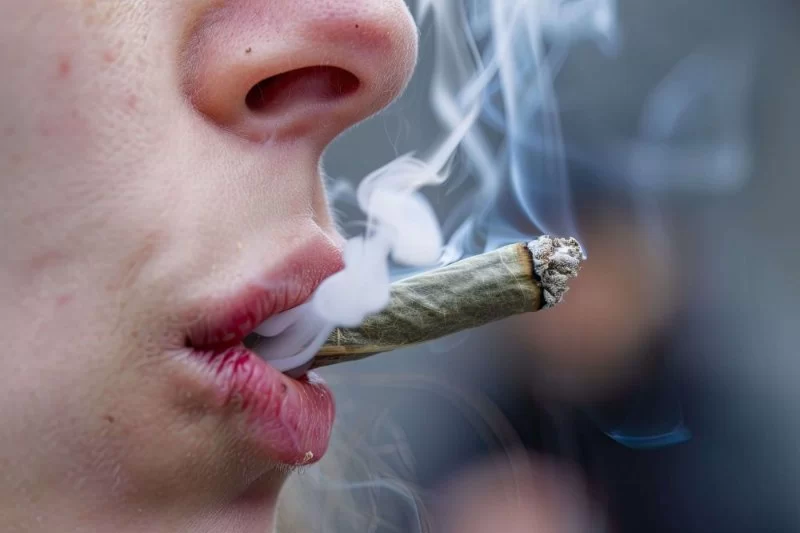
The question of whether lawyers can smoke weed is one that may seem simple at first, but it brings with it a host of legal and ethical implications. As marijuana use continues to become more widely accepted across various states in the U.S., especially with its legalization for recreational and medicinal purposes, it’s important to consider how this affects different professions, including law. For lawyers, who are held to strict ethical guidelines and professional conduct standards, the answer isn’t just about whether it’s legal—it’s about whether it impacts their professional responsibilities.
As a lawyer, you’re often faced with challenging situations that require maintaining a high level of professionalism and adhering to the law. So, when it comes to marijuana use, the issue becomes not only about legality but also about ethics and potential conflicts with your ability to serve clients and represent their best interests. In this article, I’ll take a deep dive into the legal and ethical considerations for lawyers using marijuana and how it may affect their careers and the legal profession.
2 - The Legal Status of Marijuana and Its Impact on Lawyers
Marijuana use is legal in several states, but it remains illegal at the federal level in the United States. This legal discrepancy creates a complex situation for many professionals, including lawyers. The legal status of marijuana can directly affect whether a lawyer can use it, especially in their personal life, and how it impacts their professional duties.
2.1 - State vs. Federal Laws
In states where marijuana has been legalized for recreational or medicinal use, marijuana consumption is generally legal for adults. However, at the federal level, marijuana is still classified as a Schedule I drug, which means it is illegal under federal law. This creates a potential conflict for lawyers who are licensed to practice law in both state and federal courts. While it may be legal to use marijuana in some states, lawyers must be cautious when it comes to their federal law practice, where they could be subject to different rules or scrutiny.
2.2 - Impact on Law Licenses
For lawyers, maintaining their law license is paramount. Most state bar associations have codes of professional conduct that require lawyers to avoid any behavior that could impair their ability to represent clients competently. While marijuana use may not directly impair a lawyer’s ability to work in most cases, it could potentially be seen as violating these ethical guidelines if it affects their performance, whether it’s in the courtroom, during negotiations, or in the general conduct of their duties. Some lawyers in states where marijuana is legal may still face challenges from their state bar, especially if their marijuana use is seen as impacting their professional responsibilities.
3 - Ethical Considerations for Lawyers Who Use Marijuana
Even in states where marijuana is legal, lawyers must navigate the ethical implications of using it. The legal profession has strict guidelines that focus on professionalism, integrity, and client trust. Marijuana use, even in moderation, can raise questions about a lawyer’s ability to maintain these standards.
3.1 - Competence and Professional Responsibility
The ABA (American Bar Association) Model Rules of Professional Conduct require lawyers to maintain a high level of competence, which includes being sober and focused when providing legal services. For example, if a lawyer is using marijuana and this affects their ability to perform their duties or represent clients effectively, it could lead to professional discipline or disbarment. This could be a major concern, especially if marijuana use leads to impaired judgment, memory issues, or a lack of focus, all of which are essential qualities for an attorney in practice.
3.2 - Client Trust and Public Perception
Trust between a lawyer and their client is essential. If clients become aware that their lawyer uses marijuana, they may question the lawyer’s professionalism or ability to handle sensitive legal matters. Public perception is another important factor—lawyers are often held to a higher standard of conduct, and their personal behavior can impact their reputation. In some cases, clients may hesitate to work with a lawyer they perceive as unreliable or unprofessional due to marijuana use, even if the lawyer is perfectly capable of doing their job.
4 - How Marijuana Use Can Impact Lawyers in the Workplace
While the legal and ethical aspects of marijuana use are critical, it’s also important to consider how marijuana might impact a lawyer’s day-to-day work. Whether it's working in a law firm, representing clients, or appearing in court, lawyers are expected to be at their best at all times. Here’s how marijuana use could affect workplace dynamics:
4.1 - Impaired Performance
One of the main concerns with marijuana use in a professional setting is whether it impairs a lawyer’s performance. Even in states where marijuana is legal, the potential for impairment is a significant issue. If a lawyer uses marijuana and it impacts their ability to think clearly, communicate effectively, or perform tasks in a timely manner, this could lead to mistakes, missed deadlines, or even ethical violations. If marijuana affects a lawyer’s ability to perform their job, it could be grounds for disciplinary action or even the loss of their license to practice law.
4.2 - Workplace Policies and Drug Testing
Many law firms, businesses, and governmental bodies have strict drug-free workplace policies, regardless of whether marijuana is legal in the state. Lawyers who work in such environments could face disciplinary action if they are caught using marijuana, even if it’s outside of work hours. Some employers conduct drug tests, and marijuana use could still lead to issues if it’s detected, especially since marijuana can remain in a person’s system for several days or even weeks after use. Lawyers must carefully consider their workplace’s policies and whether marijuana use could put their career at risk.
5 - Should Lawyers Use Marijuana? Navigating the Balance
The question of whether lawyers can smoke weed isn’t just about whether it’s legal—it’s also about balancing personal choices with professional responsibilities. While marijuana use may be legal in certain states, it’s essential for lawyers to carefully consider the legal, ethical, and workplace implications before using it. Lawyers must ensure that their personal habits don’t interfere with their ability to perform their duties competently and uphold the trust their clients place in them.
If you’re a lawyer wondering about the impact of marijuana on your practice, it’s always a good idea to consult with legal professionals who specialize in ethics and workplace laws. For more information on managing your legal career, visit ESPLawyers, where we offer advice tailored to the legal profession and help lawyers navigate challenging issues like these.