
- Understanding Legal Help After an Accident
- Why Legal Representation Matters
- Common Causes of Car Accidents
- What Compensation May Cover
- Real-World Accident Scenario
- Choosing the Right Attorney
- Steps to Take After a Collision
Understanding Legal Help After an Accident
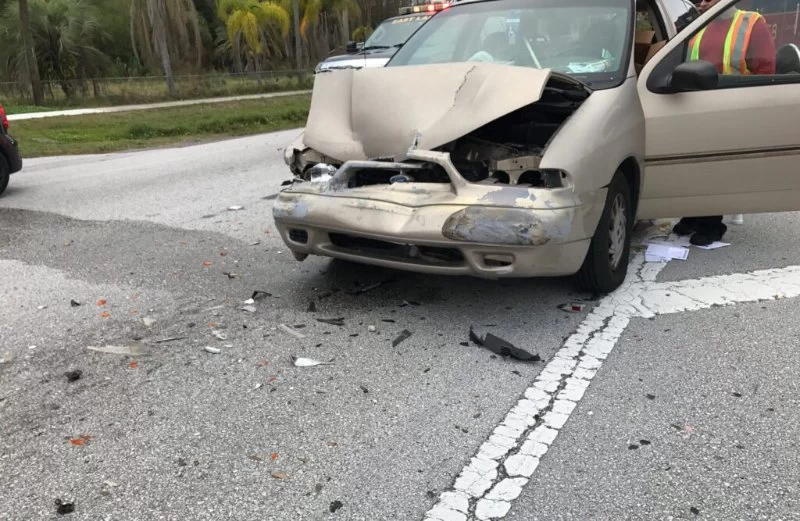
When a serious collision disrupts your life, finding experienced ES injury & car accident lawyers New Port Richey residents can trust often becomes a top priority. Car accidents create more than vehicle damage. Victims frequently face medical bills, missed work, insurance disputes, emotional stress, and uncertainty about the future.
Many people assume that insurance companies will automatically provide fair compensation. Unfortunately, the claims process is often more complicated. Insurance adjusters may question medical expenses, dispute liability, or offer settlements that fail to cover long-term costs. This is where knowledgeable legal guidance can make a significant difference.
Why Legal Representation Matters
Personal injury cases involve numerous legal and financial considerations. Working with qualified attorneys helps accident victims understand their rights and make informed decisions.
1. Protecting Evidence
Evidence can disappear quickly after an accident. Vehicle damage gets repaired, witnesses become difficult to locate, and surveillance footage may be deleted. Attorneys often act quickly to preserve critical information that supports a claim.
2. Handling Insurance Negotiations
Insurance companies employ experienced negotiators whose goal is often to minimize payouts. Legal professionals understand policy language, valuation methods, and negotiation strategies that can help clients pursue fair compensation.
3. Evaluating Long-Term Damages
A seemingly minor injury may develop into a chronic medical condition. Experienced attorneys consider future treatment costs, rehabilitation expenses, and potential income loss before evaluating settlement offers.
Common Causes of Car Accidents
Understanding how accidents occur can help drivers reduce risk while highlighting the legal complexities involved in many cases.
1. Distracted Driving
Mobile phone use, navigation systems, eating, and other distractions continue to be major contributors to roadway collisions throughout Florida.
2. Speeding
Higher speeds reduce reaction time and increase the severity of injuries. Speed-related accidents frequently result in significant property damage and medical expenses.
3. Impaired Driving
Alcohol and drug impairment remain among the leading causes of serious and fatal crashes. These cases often involve extensive investigations and substantial liability concerns.
4. Aggressive Driving Behaviors
Tailgating, unsafe lane changes, and road rage incidents can quickly escalate into dangerous situations that place everyone on the road at risk.
What Compensation May Cover
The value of a personal injury claim depends on numerous factors, including injury severity, liability, insurance coverage, and long-term impacts.
Economic Damages
These typically include:
- Medical treatment expenses
- Emergency transportation costs
- Physical therapy and rehabilitation
- Lost wages
- Property damage repairs
Non-Economic Damages
Depending on the circumstances, injured individuals may also seek compensation related to pain, suffering, emotional distress, and reduced quality of life.
Future Financial Impact
Serious injuries can affect earning capacity for years. A comprehensive claim often considers projected financial consequences rather than focusing only on current expenses.
Real-World Accident Scenario
Consider a driver commuting home during evening traffic. Another motorist, distracted by a mobile device, runs a red light and causes a significant collision. The injured driver initially believes recovery will take only a few weeks. However, ongoing neck and back pain eventually require months of therapy and time away from work.
Without professional guidance, the driver might accept an early settlement offer that fails to account for future treatment costs. By carefully documenting medical records, obtaining expert evaluations, and negotiating effectively, legal representation can help ensure all damages are properly considered.
Stories like this illustrate why many accident victims seek experienced legal assistance before finalizing insurance agreements.
Choosing the Right Attorney
Selecting legal representation involves more than reviewing advertisements. Victims should evaluate several important factors.
1. Experience With Injury Claims
Attorneys who regularly handle automobile accident cases often have deeper insight into insurance tactics, medical documentation requirements, and litigation procedures.
2. Communication Style
Clients should feel comfortable asking questions and receiving clear explanations regarding their case status and legal options.
3. Reputation and Client Service
Professionalism, responsiveness, and a strong commitment to client advocacy often contribute to a positive legal experience.
Individuals seeking information about accident claims, legal resources, or qualified professionals may find useful guidance through ESPLawyers when evaluating available legal options.
Steps to Take After a Collision
1. Seek Medical Attention
Even if injuries appear minor, a medical evaluation creates documentation that may become important later.
2. Document the Scene
Photographs, witness information, and police reports can provide valuable evidence.
3. Notify Your Insurance Company
Prompt reporting helps satisfy policy requirements and begins the claims process.
4. Keep Detailed Records
Maintain copies of medical bills, repair estimates, treatment plans, and communications related to the accident.
5. Understand Your Rights Before Settling
Before accepting any settlement, it is important to fully understand the extent of injuries, future medical needs, and potential financial consequences.
For individuals researching ES injury & car accident lawyers New Port Richey, the most important takeaway is that informed decisions can significantly impact the outcome of a claim. The right legal guidance, timely action, and thorough documentation can help accident victims pursue the compensation and support they need to move forward with confidence.







