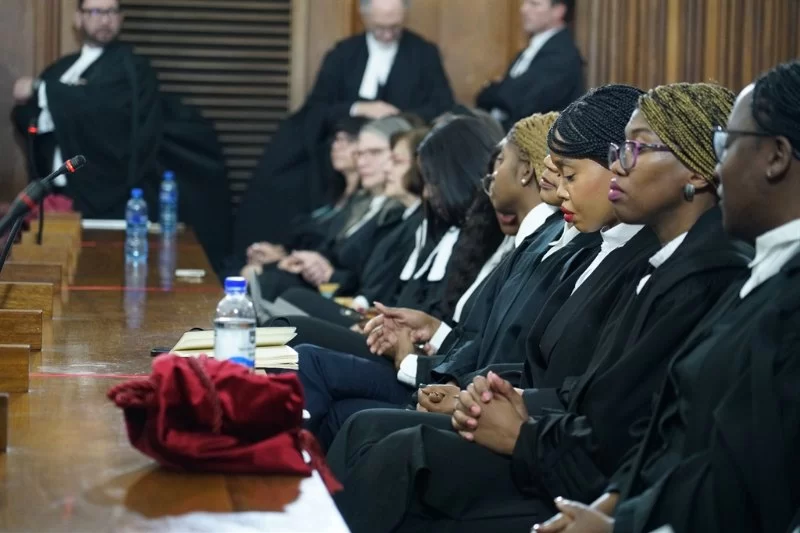
- Representation of Black Females in the Legal Profession
- Historical Barriers for Black Women in Law
- Current Statistics: What Percentage of Lawyers Are Black Females?
- Impact of Increased Diversity in the Legal Profession
- What the Future Holds for Black Female Lawyers
Representation of Black Females in the Legal Profession
The legal profession, historically dominated by white males, has seen gradual shifts in diversity over the years. While women and racial minorities have increasingly joined the field, Black females remain significantly underrepresented compared to their male and white counterparts. Despite this, the number of Black women pursuing law degrees and entering the legal workforce is on the rise, signaling progress toward more inclusive representation.
Efforts to improve diversity within law schools, law firms, and the broader legal profession have contributed to this progress. However, Black females continue to face challenges in advancing their careers, which affects their overall representation at all levels within the profession.
Historical Barriers for Black Women in Law
Historically, Black women in the United States have faced systemic racism and gender discrimination, both of which have significantly hindered their access to higher education and career opportunities, including in law. While the Civil Rights Movement and other social justice movements made significant strides toward racial equality, the effects of these barriers persist.
For many years, Black women had limited access to law schools and faced immense pressure in trying to break into the legal profession. This historical context provides a foundation for understanding the current underrepresentation of Black females in law. Even today, biases in hiring practices, pay disparities, and fewer opportunities for mentorship continue to impact their professional growth.
Current Statistics: What Percentage of Lawyers Are Black Females?
As of the most recent statistics, Black women make up only a small percentage of the legal profession in the United States. According to data from the American Bar Association (ABA), Black women represent approximately 5% of the total number of lawyers in the U.S. This figure reflects the ongoing underrepresentation of Black females in law, both as practicing attorneys and in leadership positions.
Despite this relatively small percentage, Black female lawyers are increasingly visible in various legal fields, including corporate law, public interest law, and academia. The number of Black women law students is also growing, though challenges remain in ensuring they have equal opportunities for success once they enter the profession.
Impact of Increased Diversity in the Legal Profession
The importance of diversity in law cannot be overstated. Having diverse perspectives in legal practice not only enhances the quality of legal services but also contributes to more equitable and just outcomes for all individuals. Research has shown that diverse teams are better at problem-solving and understanding the needs of a broader range of clients, which is especially important in a multicultural society like the United States.
As more Black females enter the legal profession, their influence grows. They bring unique perspectives, cultural insights, and experiences that can shape the legal field in meaningful ways. Diverse legal representation ensures that the law better reflects the society it serves, making it more inclusive and just for everyone.
What the Future Holds for Black Female Lawyers
The future of Black female lawyers looks promising, though challenges still exist. Law schools and legal organizations have been increasingly focused on improving diversity through initiatives such as scholarships for underrepresented groups, mentorship programs, and recruitment efforts aimed at increasing the number of Black women entering the field.
As the legal profession continues to evolve, there is hope that the percentage of Black females in law will rise. This shift could have significant implications for the legal system, especially as more Black female lawyers take on leadership roles and become influential figures in shaping legal policies and practices.
For aspiring Black female lawyers or those looking to make their mark in the legal field, there are numerous resources and platforms available to support their journey. Legal networks, such as the National Bar Association, specifically focus on enhancing the representation and success of African American lawyers. Additionally, websites like ESPLawyers provide useful tools, resources, and recommendations for those navigating their legal careers.