
- understanding-copyright-in-the-age-of-ai-art
- who-owns-ai-generated-artwork-legally-speaking
- major-copyright-claims-against-ai-art
- implications-for-artists-developers-and-platforms
- how-esplawyers-can-help-navigate-the-legal-maze
1. Understanding Copyright in the Age of AI Art
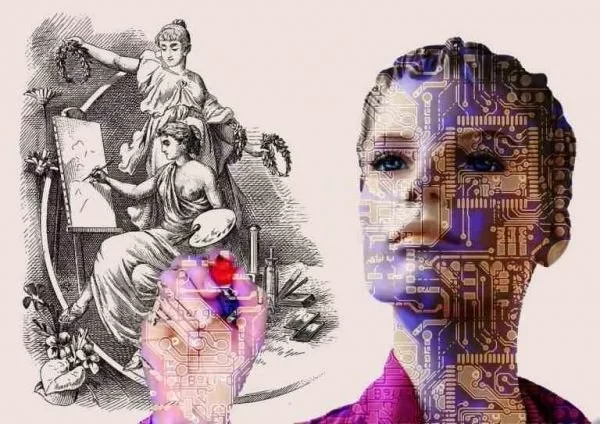
AI-generated art has exploded in popularity, from surreal portraits to comic book illustrations. But as artists and platforms embrace tools like Midjourney, DALL·E, and Stable Diffusion, a critical legal question lingers: who actually owns the rights to these works? And can traditional copyright law keep up?
In essence, copyright law protects “original works of authorship” created by a human. That human component is key—U.S. courts have historically ruled that machines cannot own or be granted copyright protection. This means AI-generated art may fall into a gray zone where the creator, the tool, or even the dataset contributors could all stake a claim.
2. Who Owns AI-Generated Artwork, Legally Speaking?
2.1 The U.S. Copyright Office Position
In 2023, the U.S. Copyright Office rejected artist Kris Kashtanova’s attempt to register a comic book made using AI. While the layout and story were deemed copyrightable, the imagery—created with AI—was not. This landmark decision set a precedent: AI outputs are not eligible for protection unless there's significant human authorship involved.
2.2 Software Developers vs. End Users
Another complex issue is whether the developer of the AI model or the person prompting it owns the resulting image. Some AI platforms claim rights over user creations through their terms of service, while others offer limited licenses. It’s critical for creators to read these terms closely before publishing or selling AI art.
3. Major Copyright Claims Against AI Art
3.1 Getty Images v. Stability AI
One of the most talked-about lawsuits is Getty Images' claim that Stability AI used its copyrighted photo database without permission to train its model. Getty argues this infringes on their intellectual property rights and sets a dangerous precedent for data scraping without consent.
3.2 Artists Taking a Stand
A growing number of digital artists, including Sarah Andersen and Kelly McKernan, have filed class-action suits alleging that AI platforms used their works without compensation or credit. Their lawsuits assert that training on copyrighted materials constitutes theft, even if the resulting images don’t look identical.
3.3 The Legal Ambiguity of Datasets
Most generative AI tools rely on massive training datasets compiled from public sources. But what’s publicly available isn't always legally usable. The question of whether scraping images for AI training violates copyright is still evolving—and courts are far from consensus.
4. Implications for Artists, Developers, and Platforms
4.1 For Artists: Know What You Can and Cannot Claim
If you're using AI to create, don’t assume your work is automatically protected. The more human creativity you inject—such as editing, stylization, or layering—the stronger your legal position. Documentation of your process can also help in asserting authorship.
4.2 For Developers: Clarify IP in Your Terms
AI developers must craft clear terms of use that explain ownership rights. Transparency around training datasets and usage licenses helps build user trust and can minimize future litigation.
4.3 For Platforms: Implement Ethical AI Practices
Marketplaces selling AI-generated art should implement content review mechanisms to filter infringing content. Offering creators clear guidance on what’s legally safe to upload protects both parties and upholds the integrity of the platform.
5. How ESPLawyers Can Help Navigate the Legal Maze
If you're a creator, AI developer, or art platform caught in the fog of copyright claims around AI-generated art, you don’t have to figure it out alone. At ESPLawyers, our team specializes in navigating emerging technology law and intellectual property.
We help clients understand their rights, draft bulletproof usage terms, and mitigate risks before lawsuits arise. As this legal frontier evolves, having experienced counsel by your side ensures that innovation and protection go hand in hand.







