
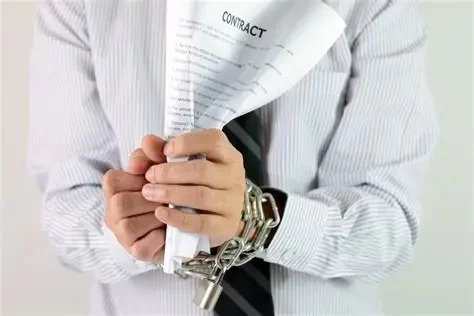
- understanding-terms-of-service-legally-binding
- legal-foundations-behind-online-agreements
- real-court-cases-involving-terms-of-service
- how-businesses-should-draft-enforceable-terms
- why-esplawyers-can-be-your-digital-defense
1. Understanding Terms of Service: Are They Legally Binding?
It’s a common ritual: you download an app or join a website and blindly click “I Agree” to a wall of legal text. But have you ever wondered — are terms of service legally binding? The answer is: yes, they often are. However, their enforceability depends on several legal factors. Just because a user clicks a box doesn’t always mean the business is fully protected or the user is fully bound.
This article unpacks the truth behind these digital agreements, using real cases and legal insights to help you understand your rights and responsibilities in the online world.
2. Legal Foundations Behind Online Agreements
2.1 What Makes a Contract Enforceable?
For any contract, including online agreements, to be enforceable, it must include: - Mutual assent (both parties agree knowingly) - Consideration (value exchanged) - Legal capacity (both parties are eligible) - Legal purpose
With online platforms, mutual assent is typically shown by a user clicking “Accept.” But if the terms are buried, unclear, or never presented properly, the contract can fall apart under scrutiny.
2.2 Clickwrap vs. Browsewrap Agreements
Clickwrap agreements — where users actively click “I Agree” — are more enforceable than browsewrap agreements, which assume consent just by using the website. Courts generally require that users be clearly presented with terms and take explicit action to accept them.
2.3 Unconscionable or Hidden Clauses
If a term is unusually harsh or hidden in fine print, it may not be enforceable even if the user agreed. Courts look for clarity, fairness, and transparency in how terms are structured and presented.
3. Real Court Cases Involving Terms of Service
3.1 The Ticketmaster Case
In Ticketmaster v. Tickets.com, a California court found that browsewrap terms posted at the bottom of the page were not binding since users weren’t forced to view or accept them. This case set the tone for how courts interpret passive online contracts.
3.2 The Uber Arbitration Clause
In 2021, Uber faced scrutiny over its arbitration clause embedded deep in its app terms. Some courts upheld it, while others rejected it because users weren’t clearly notified. It highlighted how critical proper presentation is for enforcement.
3.3 The Airbnb Host Dispute
An Airbnb host tried to sue the company in court, but Airbnb pointed to a binding arbitration clause. The court enforced the terms, noting the host had accepted them during signup via clickwrap. The clarity and visibility of the agreement sealed its enforceability.
4. How Businesses Should Draft Enforceable Terms
4.1 Use Clear, Accessible Language
Avoid legalese when possible. Your users should understand what they’re agreeing to without needing a law degree. Plain English increases credibility and reduces disputes.
4.2 Require Active Consent
Always use a clickwrap format. Require users to click a box that says “I Agree” before they proceed. Better yet, make key terms like arbitration or data sharing clearly visible with bold text or pop-ups.
4.3 Keep Records and Version Histories
Digital contracts change often. Maintain timestamped logs of terms, user consents, and version updates in case of legal challenges. A user claiming they “never saw it” becomes less credible with digital evidence.
5. Why ESPLawyers Can Be Your Digital Defense
Whether you're a user confused by a strange app agreement or a startup wondering if your terms will hold up in court, ESPLawyers provides expert help. We specialize in the enforceability of terms of service, helping clients understand rights, fix weak policies, and defend or enforce digital contracts.
With experience across tech, e-commerce, SaaS, and media, we offer real answers to the big question: Are terms of service legally binding? Reach out today and let ESPLawyers protect your digital footprint with real-world legal strategy.







