- Do-British-Lawyers-Still-Wear-Wigs
- History-of-British-Legal-Wigs
- Where-Wigs-Are-Still-Worn-Today
- Reasons-Behind-the-Wig-Tradition
- Modern-Changes-in-Legal-Dress
- Understanding-British-Legal-Traditions
Do British Lawyers Still Wear Wigs?
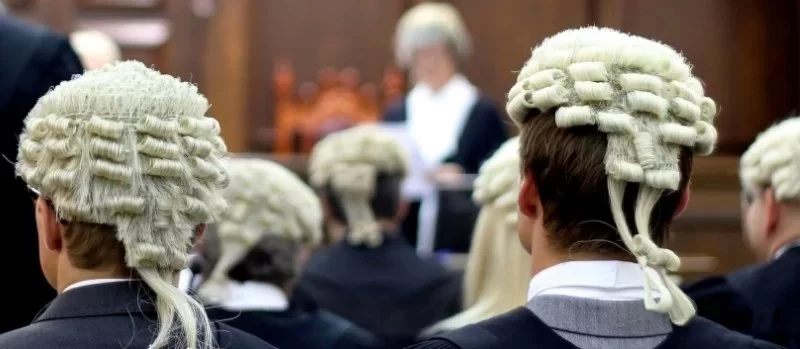
Many people visiting a British courtroom for the first time are surprised by the sight of lawyers wearing traditional robes and white curled wigs. The question often arises: do British lawyers still wear wigs today, or is this simply a relic from history?
The short answer is yes — some British lawyers still wear wigs — but only in certain courts and specific types of legal proceedings. The tradition remains one of the most recognizable symbols of the British legal system, yet its use has evolved significantly over time.
Understanding why wigs remain part of British courtroom culture helps explain how tradition and modern law continue to coexist.
History of British Legal Wigs
The tradition of wearing wigs in British courts dates back several centuries and reflects social customs rather than purely legal reasons.
1. Origins in Seventeenth-Century Fashion
1.1 Influence of European Royal Courts
Wigs became fashionable in Europe during the seventeenth century. Kings and aristocrats wore powdered wigs as a symbol of status and sophistication. When judges and lawyers adopted the fashion, it quickly became part of courtroom identity.
By the late 1600s, wigs had become standard attire for British judges and barristers.
1.2 Transition From Fashion to Tradition
When wigs eventually fell out of everyday fashion, the legal profession continued wearing them.
This transition turned wigs into a symbol of authority rather than style.
2. Development of Legal Uniforms
2.1 Establishing Professional Identity
Legal dress helped create a clear distinction between courtroom participants.
Traditional attire includes:
1. Black robes
2. White collars
3. Horsehair wigs
The consistent appearance reinforced professionalism and impartiality.
2.2 Craftsmanship of Court Wigs
Traditional court wigs are usually made from horsehair.
They are carefully shaped and maintained by specialized makers.
Where Wigs Are Still Worn Today
Although the tradition continues, wigs are no longer required in every British courtroom.
1. Criminal Courts
1.1 Barristers in Criminal Trials
Barristers appearing in criminal courts usually still wear wigs.
These proceedings maintain the strongest connection to traditional legal dress.
1.2 Judges' Attire
Judges presiding over serious criminal cases often wear wigs as well.
This reinforces the formality of the proceedings.
2. Civil Courts
2.1 Reduced Use of Wigs
In many civil courts, wigs are no longer required.
Reforms introduced in the early twenty-first century simplified legal attire.
2.2 Practical Considerations
Modern legal environments prioritize practicality and comfort.
Many civil cases now involve lawyers appearing without wigs.
Reasons Behind the Wig Tradition
The continued use of wigs is not simply about tradition. Several practical and symbolic reasons explain why the practice survives.
1. Symbol of Authority
1.1 Reinforcing Courtroom Respect
Traditional dress signals that the courtroom is a place of seriousness and discipline.
The uniform appearance encourages respect for legal processes.
1.2 Continuity of Legal History
The British legal system places strong value on precedent and continuity.
Wigs symbolize a connection to centuries of legal development.
2. Professional Neutrality
2.1 Reducing Personal Identity
Uniform dress reduces attention on the individual lawyer.
This allows the focus to remain on legal arguments.
2.2 Equality in the Courtroom
Wigs help minimize visible differences between lawyers.
Experience and status become less obvious through appearance.
Modern Changes in Legal Dress
The British legal system has gradually modernized its approach to courtroom attire.
1. Reform of Court Dress Rules
1.1 Early Twenty-First Century Changes
Major reforms reduced the requirement for wigs in civil courts.
These changes reflected evolving professional standards.
1.2 Balancing Tradition and Efficiency
The goal of reforms was to maintain dignity while improving practicality.
Not all traditions were removed, but flexibility increased.
2. Public Perception
2.1 Media Influence
Television and film often portray British lawyers wearing wigs.
This image remains strongly associated with the profession.
2.2 Visitor Experiences
Tourists attending public trials often remember seeing wigs as one of the most distinctive features of British courts.
Understanding British Legal Traditions
Understanding traditions such as legal wigs helps explain how different legal systems operate around the world.
Legal professionals and clients interested in international legal systems often explore resources through ESPLawyers to better understand legal traditions, procedures, and professional practices.
While the answer to do british lawyers still wear wigs is yes in certain settings, the tradition continues to evolve as courts adapt to modern expectations while preserving their historical identity.