- 1-Understanding-the-Legal-Framework-#understanding-the-legal-framework
- 2-Importance-of-Written-Rental-Agreements-#importance-of-written-rental-agreements
- 3-Tenant-Screening-and-Fair-Housing-Laws-#tenant-screening-and-fair-housing-laws
- 4-Property-Maintenance-and-Safety-Obligations-#property-maintenance-and-safety-obligations
- 5-Rental-Income-and-Tax-Implications-#rental-income-and-tax-implications
- 6-Landlord-Insurance-and-Liability-#landlord-insurance-and-liability
- 7-Real-Case-Examples-of-Landlord-Challenges-#real-case-examples-of-landlord-challenges
- 8-Practical-Steps-for-Legal-Compliance-#practical-steps-for-legal-compliance
- 9-How-ESPLawyers-Can-Help-#how-esplawyers-can-help
Understanding the Legal Framework
Legal considerations for renting out your property begin with understanding the legal framework that governs rental relationships. These laws vary by state and municipality but often include regulations about lease agreements, tenant rights, eviction processes, and safety codes. A landlord who overlooks these requirements risks fines, lawsuits, or reputational damage. Staying informed about local housing codes and zoning laws is essential before listing your property for rent.
Importance of Written Rental Agreements
1. Defining the relationship
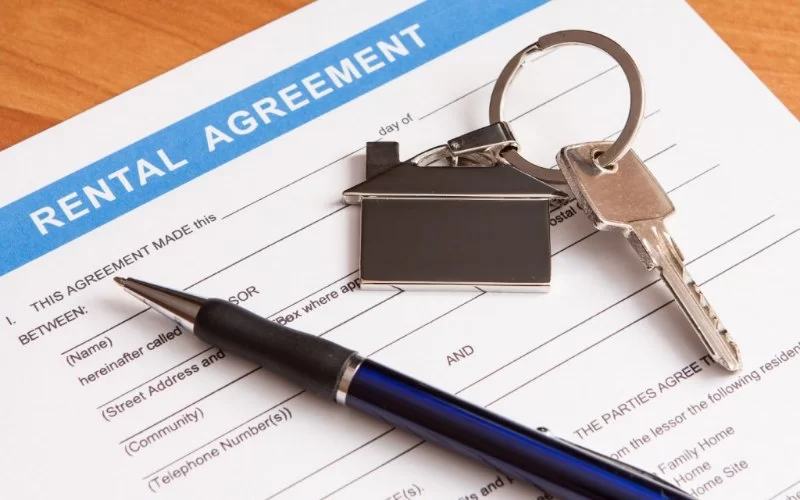
A written rental agreement is more than a piece of paper—it’s the foundation of the landlord-tenant relationship. It outlines rent amounts, due dates, maintenance responsibilities, and dispute resolution methods. Clear terms prevent misunderstandings and protect both sides legally.
2. Enforceability in disputes
Courts typically rely heavily on written agreements during disputes. Without one, landlords may struggle to enforce rules or recover unpaid rent, leaving them vulnerable to losses.
Tenant Screening and Fair Housing Laws
1. Legal screening practices
Tenant screening protects landlords from risky rental situations, but it must comply with Fair Housing laws. This means avoiding discrimination based on race, religion, gender, family status, or disability. Background checks, credit reports, and rental history are acceptable—so long as they are applied consistently to all applicants.
2. Case in point
A landlord in New York faced penalties for rejecting a tenant with a service animal. This underscores how critical it is to balance screening with compliance to federal and state protections.
Property Maintenance and Safety Obligations
1. Duty of habitability
Landlords are legally obligated to maintain habitable conditions—working plumbing, safe electrical systems, heating, and structurally sound buildings. Ignoring repairs could allow tenants to withhold rent or even pursue legal claims.
2. Safety responsibilities
Installing smoke detectors, securing locks, and complying with fire codes are part of your duties. Some municipalities mandate annual safety inspections, and non-compliance can result in fines or liability for accidents.
Rental Income and Tax Implications
Rental income is taxable, and landlords must report it to the IRS. At the same time, many expenses are deductible, such as mortgage interest, property taxes, insurance premiums, repairs, and depreciation. Consulting with a tax professional ensures landlords maximize deductions while staying compliant. Overlooking these rules may lead to unexpected audits or penalties.
Landlord Insurance and Liability
1. Why insurance matters
Standard homeowner’s insurance usually doesn’t cover rental activities. Specialized landlord insurance policies protect against tenant damages, lost rental income, and liability for accidents. Without this coverage, landlords may face financial ruin if tenants or visitors get injured on the property.
2. Example scenario
A landlord whose tenant caused a fire without insurance coverage faced paying out-of-pocket for damages exceeding $100,000. This case highlights why landlord-specific policies are non-negotiable.
Real Case Examples of Landlord Challenges
In California, one landlord failed to comply with mold disclosure laws and faced a costly lawsuit. In another case, a property owner in Texas neglected to update his rental license and was fined heavily. These stories emphasize that small oversights in legal considerations for renting out your property can snowball into expensive problems.
Practical Steps for Legal Compliance
1. Research local regulations
Each city may have unique rental rules, from license requirements to occupancy limits. Thorough research prevents compliance mistakes.
2. Keep documentation
Maintain records of tenant communications, repair requests, and financial transactions. These can serve as critical evidence if disputes arise.
3. Seek legal counsel
When in doubt, consult professionals like ESPLawyers, who specialize in real estate law and landlord-tenant disputes. Their advice can save landlords from preventable risks and ensure ongoing compliance.
How ESPLawyers Can Help
Managing rental property is rewarding but full of responsibilities. From screening tenants to navigating tax rules, legal considerations for renting out your property require careful planning. ESPLawyers provides tailored legal services, helping landlords draft agreements, understand rights, and resolve disputes. With expert guidance, you can rent confidently while avoiding costly mistakes.