- Understanding the Jury Selection Process
- Types of Questions Lawyers Ask Potential Jurors
- Purpose of the Questions Lawyers Ask During Voir Dire
- Real-Life Examples of Voir Dire Questions
- How Lawyers Choose Jurors Based on Responses
Understanding the Jury Selection Process
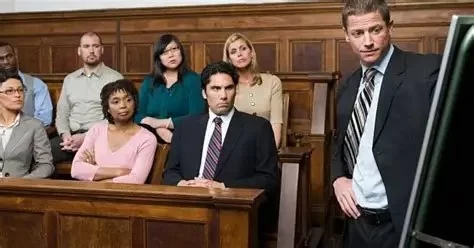
The jury selection process, known as "voir dire," is a critical part of any trial. It involves questioning potential jurors to ensure that those selected are fair, impartial, and capable of making sound decisions based on the evidence presented in court. The goal of voir dire is to select a jury that will be unbiased and impartial, giving both the defense and prosecution the best chance for a fair trial.
During voir dire, both the prosecution and defense are allowed to ask questions to the potential jurors. These questions help lawyers determine whether a juror may have any preconceived notions, biases, or experiences that would interfere with their ability to be impartial. The questions also serve to assess the juror's ability to understand the case and apply the law correctly.
Types of Questions Lawyers Ask Potential Jurors
Lawyers ask a variety of questions during voir dire to gather relevant information about potential jurors. These questions typically fall into several categories:
1. Background Information
One of the first types of questions lawyers ask potential jurors involves gathering background information. These questions are aimed at understanding the juror's personal life, profession, education, and past experiences. Common background questions include:
- What is your occupation?
- Where do you live?
- What is your educational background?
- Do you have any previous experience with the legal system, such as serving on a jury before?
2. Bias and Prejudices
Another key area of questioning involves determining any potential biases or prejudices a juror may hold. Lawyers ask these questions to identify if the juror has any opinions or experiences that could affect their ability to be impartial. Examples of questions in this category include:
- Do you have any strong opinions about the case or the parties involved?
- Have you or anyone close to you been involved in a similar case?
- Do you have any religious, political, or social views that could influence your decision-making in this case?
3. Views on the Legal System
Lawyers may also ask potential jurors about their opinions on the legal system and their role in the courtroom. These questions are designed to ensure that jurors understand their duties and are willing to follow the law. Some common questions include:
- Do you believe that the legal system is fair and just?
- Do you understand that you must base your decision solely on the evidence presented in court?
- Are you willing to set aside any personal opinions and follow the law as instructed by the judge?
4. Specific Case-Related Questions
In some cases, lawyers may ask jurors specific questions related to the case at hand. These questions are more focused and are designed to uncover whether a juror may have any opinions or experiences that could make them unsuitable for this particular trial. For example:
- Do you have any strong opinions about the defendant's actions in this case?
- Have you ever been a victim of a crime similar to the one being tried?
- Do you have any medical conditions that might make it difficult for you to sit through a trial?
Purpose of the Questions Lawyers Ask During Voir Dire
The main goal of the questions lawyers ask during voir dire is to uncover any biases, prejudices, or personal beliefs that may affect a juror’s ability to be impartial. By asking these questions, lawyers aim to:
- Identify jurors who may be biased or have strong opinions that could influence their decision-making.
- Ensure that the selected jurors can follow the law and focus solely on the evidence presented during the trial.
- Gain insight into a potential juror’s ability to serve on a jury for the specific case at hand.
Real-Life Examples of Voir Dire Questions
In high-profile cases, voir dire can be particularly intense, with both the prosecution and defense aiming to find jurors who will favor their side. Here are a few real-life examples of voir dire questions asked in well-known cases:
In the trial of a famous celebrity, jurors may have been asked about their opinions on the celebrity's reputation and public persona. In a case involving a medical malpractice suit, jurors might have been questioned about their experiences with healthcare or their opinions on doctors and hospitals.
These real-world examples show how voir dire questions can vary depending on the specifics of the case. Lawyers tailor their questions to uncover any potential bias that could influence a juror's judgment.
How Lawyers Choose Jurors Based on Responses
Once the questions have been asked, lawyers evaluate the responses to determine whether a juror is suitable for the trial. They may use peremptory challenges to dismiss a juror without needing a reason or ask for cause challenges if they believe a juror is unfit to serve. The goal is to select jurors who will be fair and impartial in their decision-making.
In some cases, if a juror's response raises concerns, a lawyer may request a challenge for cause, arguing that the juror cannot remain unbiased due to their answers. Ultimately, the process helps ensure that the jury is composed of individuals who can fairly assess the case at hand.
If you need more assistance or legal guidance, feel free to reach out to ESPLawyers, where expert attorneys are ready to help with your legal needs and questions.