- understanding-the-legal-disconnect
- how-federal-laws-classify-cannabis
- why-states-are-moving-in-a-different-direction
- real-world-consequences-of-legal-discrepancies
- navigating-the-grey-zone-business-and-personal
- when-to-consult-legal-experts-like-esplawyers
1. Understanding the Legal Disconnect
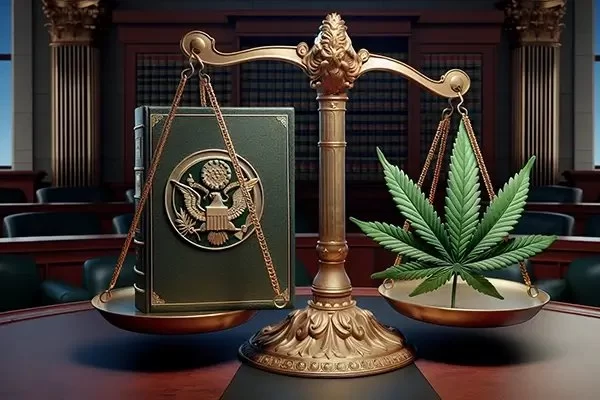
The conversation around federal vs. state cannabis legislation is far from new, but it has become significantly more complicated as more states legalize marijuana while federal law maintains a hardline stance. This disparity creates legal ambiguity, confusion, and risk—especially for entrepreneurs, medical users, and even recreational consumers.
2. How Federal Laws Classify Cannabis
2.1 Schedule I Classification
Under the Controlled Substances Act, cannabis remains a Schedule I substance, alongside drugs like heroin and LSD. This classification suggests high abuse potential and no accepted medical use—despite abundant evidence to the contrary and mounting public support for reform.
2.2 Federal Enforcement Policy
Although federal agencies, particularly under recent administrations, have deprioritized enforcement in compliant states, the laws have not changed. This means cannabis businesses and individuals remain technically at risk of prosecution or investigation, especially if they cross state lines or engage in banking services.
3. Why States Are Moving in a Different Direction
Driven by public opinion, economic benefits, and healthcare demands, more than 30 states have legalized cannabis in some form. For example, Colorado and California have developed extensive frameworks for regulating cultivation, distribution, and sale—generating billions in tax revenue and employment opportunities.
These states view cannabis regulation not just as a legal reform but as a public health and economic strategy. However, without federal alignment, they must operate in legal silos.
4. Real-World Consequences of Legal Discrepancies
4.1 Banking and Financial Limitations
One of the most pressing issues is that federally regulated banks are reluctant to service cannabis businesses. This leads to a cash-heavy industry prone to theft, compliance issues, and limited scalability.
4.2 Employment and Background Checks
A person legally using cannabis under state law can still face job discrimination or lose federal employment opportunities. Similarly, parents can encounter child custody issues even when acting within state guidelines.
4.3 Legal Battles and Federal Raids
There have been instances of legal cannabis farms being raided by federal agents despite full compliance with state laws. Such cases exemplify the danger and uncertainty of this legal grey area, underlining the critical need for informed legal counsel.
5. Navigating the Grey Zone: Business and Personal
5.1 Cannabis Business Owners
Entrepreneurs in the cannabis industry must balance innovation with caution. From zoning laws to tax codes like IRS Section 280E, the legal minefield is complex. Consulting legal professionals with specific knowledge of both federal and state cannabis legislation is vital to success.
5.2 Individual Users and Medical Patients
While state-issued medical marijuana cards offer protection locally, they do not override federal laws. Traveling with cannabis, even between two legal states, can trigger federal scrutiny if you cross regulated checkpoints or airports.
6. When to Consult Legal Experts Like ESPLawyers
Whether you’re launching a dispensary, facing federal pushback, or unsure how cannabis use might affect your legal standing, speaking with professionals who understand the shifting terrain is invaluable. Firms like ESPLawyers provide tailored legal strategies that reflect the evolving interplay between federal and state cannabis law.
In the rapidly changing legal landscape of cannabis regulation, knowing your rights and responsibilities isn’t optional—it’s essential. Understanding the divide between federal vs. state cannabis legislation empowers you to make informed, compliant, and forward-thinking decisions.