
- 1 - Why-Plastic-Waste-Reduction-Laws-Matter
- 2 - Key-Legislation-Shaping-Plastic-Policy
- 3 - Case-Study-Locally-Led-Ban-Success
- 4 - Business-Compliance-and-Legal-Challenges
- 5 - What-Individuals-Can-Do-to-Support-Laws
- 6 - How-ESPLawyers-Can-Help-Navigate-Compliance
1. Why Plastic Waste Reduction Laws Matter
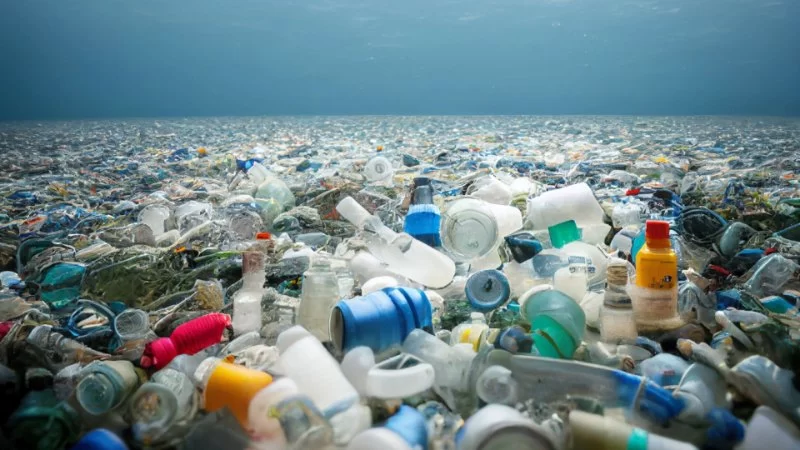
Plastic pollution has reached crisis levels—over 8 million metric tons enter our oceans annually. That's why plastic waste reduction laws are no longer optional in policy debates; they're essential. When communities pass stronger plastic regulations, they directly reduce landfill overflow, protect marine ecosystems, and drive innovation in sustainable packaging.
Municipal bans on single‑use plastic bags and polystyrene containers have proven to cut litter by up to 70% in months. That tangible success fuels public support and boosts political momentum. Without legal frameworks guiding behavior, voluntary corporate pledges often fail to deliver systemic change. That’s the real power behind plastic waste reduction laws.
2. Key Legislation Shaping Plastic Policy
At the federal level, the Break Free From Plastic Pollution Act, though not yet passed, proposed sweeping measures: bans on throwaway packaging, producer fees, and national recycling standards. Several states have already filled the gap. California’s SB 54 requires producers to manage packaging and reduce plastic by 25% per item by 2032. New York and Oregon passed similar extended producer responsibility laws in 2023.
European counterparts, like the EU Single-Use Plastics Directive, have set global examples. Companies now adapt packaging design worldwide to comply across markets, showing how plastic waste reduction laws drive innovation from the top.
3. Case Study: Locally-Led Ban Success
San Francisco banned single-use plastic bags as early as 2007. Within a year, city streets saw an 80% drop in plastic bag litter. Local businesses adapted by offering recycled paper or reusable bags, and eventually splintered plastic bag usage plummeted across the Bay Area.
Similarly, Seattle imposed fees on plastic straws and utensils in 2018. Restaurants saw a 60% reduction in plastic waste within six months. Both cases illustrate how plastic waste reduction laws can catalyze measurable behavioral change—without reducing quality of life.
4. Business Compliance and Legal Challenges
As plastic waste reduction laws evolve, businesses face legal complexity. A retailer in Massachusetts discovered its packaging didn’t meet the new recyclable standard and was fined $1,000 per violation. Small companies often lack legal support—yet enforcement is rising.
Our experience at ESPLawyers shows that early adaptation pays off. By conducting packaging audits, aligning with extended producer responsibility plans, and verifying recyclable claims, businesses stay ahead of enforcement curves. That builds credibility with conscious consumers and avoids costly setbacks.
5. What Individuals Can Do to Support Laws
Citizens aren’t passive observers; they drive change. Voting for plastic‑reduction policies, supporting bans at town halls, or volunteering in community cleanups reinforce legislative momentum. Sharing successes—like how your coffee shop switched to compostable cups—spreads awareness.
Public demand encourages companies to choose plastics with recycled content or invest in deposit-return programs. When consumers embrace reusable bottles and bags, they help communities establish baseline behaviors that lawmakers can reinforce with enforceable plastic waste reduction laws.
6. How ESPLawyers Can Help Navigate Compliance
With an evolving patchwork of state, local, and federal regulations, businesses need clear legal guidance. At ESPLawyers, we help clients understand which plastic waste reduction laws apply, design compliance roadmaps, and defend against enforcement actions.
We assist in drafting packaging policies, submitting extended producer responsibility reports, and advising on sustainable alternatives—all while balancing cost and logistics. As laws like California’s SB 54 expand, companies that invest in legal strategy avoid penalties and build brand equity.
For businesses or individuals aiming to comply with plastic waste reduction laws or explore greener packaging options, ESPLawyers offers expert insight and advice. Together, we can transform regulations into opportunities and contribute to cleaner, healthier communities.







